
A flooded car battery, frequently referred to as a “wet cell” lead-acid battery, is the longest-standing automotive battery architecture. First commercialized in the mid-20th century for starting, lighting, and ignition (SLI) systems, flooded batteries remain widely used today due to their low production cost, high starting reliability, and simple manufacturing processes.
Unlike AGM or Gel technologies, a flooded battery contains a liquid solution of electrolyte (sulfuric acid and distilled water) that freely sloshes around internal lead plates inside an unsealed or vented casing.
Technical Overview: Flooded vs. Advanced Lead-Acid Batteries
| Feature / Performance Metric | Standard Flooded Battery | Sealed Maintenance-Free (SMF) Flooded | Absorbent Glass Mat (AGM) Battery |
| Electrolyte Physical State | Free liquid solution (37\ H2SO4) | Free liquid solution (37\ H2SO4) | Suspended in micro-fiberglass mats |
| Casing & Venting | Removable vent caps; open-vented | Sealed casing with pressure relief vents | Valve-Regulated Recombinant (VRLA) |
| Fluid Maintenance Required? | Yes (Periodic distilled water top-off) | No (Sealed liquid reservoir) | No (Fully sealed & spill-proof) |
| Vibration & Spill Resistance | Low (Liquid can spill if tilted) | Moderate (Liquid contained, non-serviceable) | High (Spill-proof, shock-resistant) |
| Cycle Life (at 50% DoD) | 50-100 Cycles | 100-150 Cycles | 300-500+ Cycles |
| Average Lifespan (Hot Climate) | 1.5-2.5 Years | 1.5-2.5 Years | 3-4 Years |
| Average Cost Index | Base (1x) | Low-Moderate (1.2x) | Premium (2x-2.5x) |
How Does a Flooded Battery Work?
Inside each of the six internal cells of a 12-volt flooded battery, positive lead dioxide (PbO2) plates and negative sponge lead (Pb) plates are submerged in liquid electrolyte ($37\%$ sulfuric acid, $63\%$ distilled water).
The Electrochemical Cycle:
- Engine Start (Discharge Phase): Lead dioxide (PbO2) on the positive plate and sponge lead (Pb) on the negative plate combine with sulfuric acid (H2SO4) to create electrical current. This produces lead sulfate (PbSO4) on the plates and dilutes the electrolyte with water (H2O).
- Engine Running (Recharge Phase): Current supplied by the alternator reverses the chemical reaction, restoring the lead sulfate back into active lead dioxide and sponge lead while returning acid concentration to its original density.
Maintenance Requirements and Water Loss
Because flooded battery electrolyte is in a free-liquid state, chemical reactions during normal charging cause a natural process called electrolysis, where electrical energy breaks down water (H2O) into hydrogen and oxygen gases:
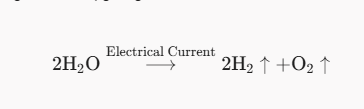
These gases vent out through the top caps, gradually lowering the electrolyte level inside the cells.
Key Maintenance Protocols:
- Prevent Plate Exposure: If the liquid level drops below the top of the internal lead plates, exposed active materials dry out and oxidize upon contact with air, causing permanent capacity loss.
- Control Acid Concentration: As water evaporates, the remaining electrolyte becomes overly acidic. High acid density accelerates grid frame corrosion and degrades plate separators.
- Distilled Water Top-Offs: Standard wet-cell batteries feature removable fill caps that allow owners or mechanics to inspect fluid levels and top off each cell with distilled water only (never tap water or fresh acid).
Modern vehicle owners who prefer a hands-off approach often choose a sealed maintenance-free battery, which uses a built-in liquid reserve and calcium grid alloys to drastically reduce gassing without requiring manual fluid top-offs.
Why Flooded Batteries are Sensitive to Heat & UAE Climates
Ambient operating temperatures directly impact lead-acid battery life. While flooded batteries handle moderate conditions well, extreme summer temperatures (such as those in the UAE and Middle East, where under-hood temperatures frequently exceed 60°C to 70°C) trigger a distinct breakdown sequence:
- Extreme Thermal Stress (> 60°C): High engine bay temperatures double internal chemical reaction rates, accelerating physical corrosion.
- Accelerated Water Evaporation: Heat causes the water in liquid electrolyte to evaporate and gas off rapidly, drying out internal cells within months if left unmonitored.
- Elevated Acid Density & Grid Breakdown: As water evaporates, high acid concentration corrodes the lead grid framework, causing internal plate short circuits.
- Severe Lifespan Drop: Severe Lifespan Drop: In temperate climates (20°C average), a flooded battery can last 4 to 5 years. In hot UAE climates, standard flooded batteries typically last between 18 and 30 months.
Advantages and Disadvantages of Flooded Batteries
Advantages
- Cost Efficiency: Flooded batteries remain the most economical battery architecture available, costing significantly less to manufacture and buy than AGM or Lithium alternatives.
- High Cranking Power: Delivers reliable Cold Cranking Amps (CCA) for standard gasoline and diesel engines in non-start-stop vehicles.
- Overcharge Tolerance: Standard flooded designs handle mild overcharging better than sealed AGM units, as vented gas can escape safely and lost fluid can be replenished with distilled water.
- Wide Availability: Available in virtually every standard BCI and DIN group size across global automotive markets.
Disadvantages
- Spill and Leak Hazard: Free liquid electrolyte can leak out if the battery is tilted, cracked, or overturned during an accident, spraying corrosive sulfuric acid.
- Low Vibration Resistance: Liquid cell designs allow internal plates to move under heavy impact and vibration, making them vulnerable to internal shorts on rough roads.
- Not Suitable for Start-Stop: Standard flooded batteries cannot tolerate the frequent deep micro-cycling and rapid charge acceptance demands of modern micro-hybrid engines.
- Gassing Hazards: Hydrogen gas released during charging is highly flammable, requiring proper engine bay ventilation.
Flooded vs. AGM: Matching Battery Architecture to Vehicle Needs
Vehicle technology determines the correct battery selection:
- Standard Vehicles (No Start-Stop): Require standard electrical supply. A standard flooded or sealed wet-cell battery provides ideal performance, reliable starting, and long service life at an economical price point.
- Modern Vehicles (Start-Stop & High Accessory Draw): Require rapid charging and deep cycling capability. Installing a standard flooded battery in an AGM- or EFB-designated vehicle will cause battery failure within 3–6 months and automatically disable vehicle auto-stop functions.
Signs of Flooded Battery Failure
Detecting failure early prevents unexpected non-start situations:
- Low Electrolyte Levels: Visible fluid drop below the “MIN” fill line marked on the translucent battery casing.
- Bulging Casing: Overcharging or extreme heat causes heat expansion, making the plastic outer walls warp or bow outward.
- Corrosion Around Terminals: Heavy white or bluish-green crust (lead sulfate/copper sulfate) forming on terminal posts due to venting acid fumes.
- Slow Engine Crank: Weak starting power resulting from high internal resistance and sulfate buildup on internal plates.
- Rotten Egg Odor: A strong sulfur smell indicates severe battery overcharging, boiling electrolyte, and dangerous hydrogen sulfide gas release.
FAQs
Can flooded car batteries be repaired if they fail?
No. Once internal lead plates suffer grid corrosion, active material shedding, or hard sulfation, the damage is chemically permanent. While adding distilled water can restore fluid levels in a dry cell, it cannot rebuild damaged lead structures or restore lost storage capacity.
Can a flooded battery leak acid into the engine bay?
Yes. Because flooded batteries contain free liquid sulfuric acid, tilting the battery past a 45-degree angle, overcharging to the point of boiling, or cracking the plastic outer case will cause corrosive acid to leak out, damaging engine components and body paint.
Why do flooded batteries lose water over time?
Water loss is a natural result of the internal electrochemical reaction. During charging, electric current splits water molecules in the electrolyte into hydrogen and oxygen gases (2H2O2H2+O2), which vent out through the caps.
When should a flooded battery be replaced?
Replace a flooded battery if its resting open-circuit voltage drops below 12.0V after charging, if terminal voltage drops below 9.6V during a load test, if a hydrometer shows a dead cell (specific gravity below 1.150), or if the outer plastic casing shows signs of swelling or cracking.