
Every time you turn your car key or press the start button, a silent chemical transformation takes place under the hood. Behind the plastic casing of an automotive battery lies a carefully balanced chemical reactor that converts chemical potential energy into electrical energy on demand.
Understanding battery chemistry basics for cars is not just for chemical engineers or auto technicians. Knowing how internal reactions generate power, why extreme weather degrades battery cells, and how advanced formulations like AGM differ from conventional cells helps car owners extend battery lifespan, avoid unexpected breakdowns, and choose the right power unit for their vehicle.
What Is Battery Chemistry in Car Batteries?
Battery chemistry refers to the specific combination of reactive metals, oxides, and electrolyte solutions that interact to produce an electromotive force (voltage).
In standard automotive applications, the universal baseline is the lead-acid chemistry. A standard 12-volt lead-acid battery consists of six individual cells connected in series, each producing approximately 2.1 volts when fully charged.
Inside each cell, two electrochemically active plates are submerged in a liquid or absorbed solution:
- Positive Plate: Lead Dioxide (PbO2)
- Negative Plate: Sponge Lead (Pb)
- Electrolyte Solution: Sulfuric Acid (H2SO4) diluted in water (H2O)
How Does Chemistry Affect Battery Performance?
The internal chemical formula directly dictates how much electrical current a battery can supply, how fast it can accept a charge from the alternator, and how well it withstands environmental stress.
- Cold Cranking Amps (CCA): Driven by total surface area interaction between the lead plates and acid. Higher surface area accelerates chemical reaction rates, releasing high amperage required to crank a cold engine.
- Reserve Capacity (RC): Determined by the total mass of active lead oxide paste and electrolyte volume available for continuous chemical transformation.
- Internal Resistance: Low internal resistance allows rapid electron transfer, enabling high charge acceptance and stable system voltage under heavy electrical loads.
What Chemical Reactions Power Car Batteries?
Automotive batteries operate through a reversible electrochemical process known as a redox (reduction-oxidation) reaction.
The Discharge Phase
When you turn on the ignition or run electrical accessories, sulfuric acid dissociates into hydrogen ions (H+) and sulfate ions (SO42-). Sulfate ions react with both plates, converting active materials into lead sulfate (PbSO4) while releasing free electrons:

During discharge, active lead oxide and sponge lead are converted into lead sulfate, while the acid solution weakens into mostly water.
The Charge Phase
When the engine runs, the alternator forces current back through the battery in reverse. This breaks down lead sulfate on the plates, transferring sulfate ions back into the liquid solution:

This re-establishes high sulfuric acid concentration and restores active sponge lead and lead dioxide back to their original state.
How Does Heat Change Battery Chemistry?
While drivers often fear cold winter starts, high ambient heat is the single greatest destructive force acting on battery chemistry.
Under elevated engine bay temperatures (exceeding 55°C to 75°C), the rate of internal chemical reactions doubles with every 10°C rise in temperature. This accelerated activity leads to two primary failure mechanisms:
- Accelerated Grid Corrosion: Hot sulfuric acid aggressively oxidizes the positive lead grid structure, causing physical breakdown.
- Electrolyte Evaporation: Water content within the acid breaks down and vents out as gas, leaving plates exposed to air and causing permanent loss of capacity.
This thermal degradation is particularly severe in desert regions; exploring climate impact on automotive energy storage explains why batteries exposed to extreme heat require specialized heat-resistant grid alloys.
Why Does Battery Chemistry Degrade Over Time?
No chemical system can undergo unlimited charge and discharge cycles without losing efficiency. Over time, battery chemistry degrades due to structural and chemical wear:
- Active Material Shedding: Repeated contraction and expansion during charge cycles causes active lead oxide paste to loosen and fall off the plates, accumulating at the bottom of the container.
- Positive Grid Growth: Oxidation slowly expands the metallic lead grid, bending internal plates and risking internal short circuits.
- Water Loss: Unwanted electrolysis breaks down water into hydrogen and oxygen gas, increasing acid concentration to destructive levels.
What Materials Are Used in Battery Chemistry?
Modern car batteries utilize precisely engineered materials to maximize conductivity and chemical stability:
| Component | Material Composition | Primary Chemical Role |
| Positive Plate | Lead Dioxide (PbO2) with Silver-Calcium alloy grid | Acts as the oxidizing agent during discharge. |
| Negative Plate | High-purity Sponge Lead (Pb) | Acts as the reducing agent during discharge. |
| Electrolyte | Diluted Sulfuric Acid (H2SO4, ~35% concentration) | Provides ions needed for electron transport. |
| Separators | Micro-porous Polyethylene or Fibreglass Mat | Prevents physical plate contact while allowing ionic transfer. |
How Does Sulfation Occur Chemically?
Sulfation is the leading cause of premature lead-acid battery failure.
When a battery remains in a partial state of charge or sits unused, the soft, amorphous lead sulfate (PbSO4) formed during normal discharge begins to crystallize into large, stable lead sulfate structures.
The Two Stages of Sulfation
- Discharged State: Soft, amorphous lead sulfate forms on the plates during normal use. This state is completely reversible via standard alternator charging.
- Neglected State: Prolonged periods in a low-charge state cause the soft sulfate to transform into hard, crystalline lead sulfate. This forms a permanent insulating barrier over the plates.
These hard crystals form an insulating layer across the grid plates that cannot be dissolved by standard alternator charging voltage. As a result, usable plate surface area decreases, internal resistance rises, and cranking power drops sharply.
Why Does Electrolyte Composition Matter?
The balance between sulfuric acid and distilled water dictates overall electrochemical efficiency.
If acid concentration is too low (specific gravity below 1.215), the battery lacks sufficient sulfate ions to maintain voltage under load, making it prone to freezing in cold weather.
If acid concentration is too high (specific gravity above 1.300 due to water evaporation), the hyper-concentrated acid corrodes lead plates at a rapid rate, scorching internal separators and destroying battery capacity.
How Does Charging Affect Battery Chemistry?
Charging a battery requires precise voltage regulation. The charging system must pump current back into the cells at a voltage higher than the battery’s rest potential (typically 13.8V to 14.4V).
- Undercharging: Allows lead sulfate to remain on the plates, triggering irreversible sulfation over time.
- Optimal Charging: Fully converts lead sulfate back into active lead oxide and sponge lead while fully restoring acid density.
- Gassing Voltage Threshold: If charging voltage exceeds ~14.4V at room temperature, the chemical reaction passes the electrolysis threshold, splitting water molecules into hydrogen and oxygen gas.
What Chemical Changes Cause Battery Swelling?
A swollen or bloated battery case is a clear signal of critical chemical failure. Swelling occurs when internal pressure builds beyond the casing’s structural tolerances.
Primary causes of casing expansion include:
- Severe Overcharging: Excess voltage generates high volumes of hydrogen and oxygen gas faster than internal vent valves or recombination paths can discharge.
- Thermal Runaway: Extreme heat accelerates internal resistance, causing the battery to generate excess heat while charging until electrolyte boils and structural plastic softens.
- Severe Grid Corrosion: Plate oxidation causes the positive grid to expand, pushing physically against internal cell walls.
Why Do Chemical Reactions Slow in Cold Weather?
Chemical reaction rates are directly governed by temperature. As ambient temperatures drop toward freezing (0°C/32°F), molecular movement inside the electrolyte slows down significantly.
- At 25°C (77°F): Operating at 100% usable chemical energy with normal reaction speeds.
- At 0°C (32°F): Electrolyte viscosity increases, causing reaction speeds to drop by approximately 30%.
- At -18°C (0°F): Ion transport slows dramatically, reducing available cranking power by roughly 50%.
Simultaneously, cold engine oil thickens, requiring significantly higher cranking torque from the starter motor. The combination of slower internal chemical reactions and higher mechanical drag makes cold-weather starts difficult on aging batteries.
How Does Overcharging Alter Battery Chemistry?
Pumping excess current into a fully charged battery forces destructive chemical reactions:
- Electrolysis & Dry-Out: Water content in the acid solution breaks down into gases and vents into the atmosphere, drying out internal cell compartments.
- Positive Grid Destruction: Hyper-oxidation strips metallic lead from positive grid frames, turning structural supports into weak lead powder.
- Thermal Degradation: Excess electrical energy is converted directly into heat, accelerating internal chemical breakdown.
Why Does Battery Capacity Decrease Chemically?
As a battery ages through hundreds of charge-discharge cycles, its effective Ampere-Hour (Ah) capacity declines due to four main chemical changes:
- Loss of Active Mass: Lead paste sheds off plates and falls out of contact with the electrical grid.
- Irreversible Sulfation: Hardened lead sulfate crystals permanently coat reactive plate surfaces.
- Corrosion of Current Collectors: Internal grid frameworks thin out, increasing overall internal resistance.
- Electrolyte Depletion: Loss of water content reduces total ion availability.
How Does Deep Discharge Affect Battery Chemistry?
Standard starter batteries (SLI) feature thin, highly porous lead plates optimized for fast energy release. They are not engineered for deep discharge cycles.
Discharging a standard battery below 50% State of Charge (SOC) forces chemical reactions deep into the core of the lead plates. As lead turns to lead sulfate, it expands physically by over 30%. This volume expansion creates severe mechanical stress, cracking active lead paste off the grid frame and causing short circuits.
How Do AGM Batteries Differ Chemically?
Absorbent Glass Mat (AGM) batteries utilize the same fundamental lead-acid chemistry, but hold electrolyte in a completely different physical state.
The AGM Architectural Difference
- Absorbed Electrolyte: Instead of liquid acid sloshing freely around plates, sulfuric acid is fully absorbed into micro-fibreglass mats held under compression between grid plates.
- Recombinant Gas Chemistry: During normal operation, oxygen generated at the positive plate migrates across the porous fibreglass mat to the negative plate, where it recombines with hydrogen to reform water:
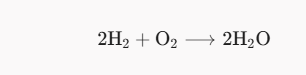
This sealed, oxygen-recombination cycle eliminates water loss, lowers internal resistance, provides up to 4x higher cyclic life, and prevents acid stratification entirely.
Why Is Chemical Balance Critical in Batteries?
A lead-acid battery is a delicate closed chemical loop. The ratio of active lead oxide mass to sulfuric acid volume must match precisely.
If a battery loses water due to high heat or overcharging, chemical equilibrium is destroyed. The resulting concentrated acid attacks grid plates rapidly, causing short circuits. Maintaining correct chemical balance or using sealed AGM units engineered to regulate internal chemical balance automatically is essential for maximum battery life.
How Do Contaminants Affect Battery Chemistry?
In conventional flooded batteries with removable cap vents, introducing external tap water or dirt ruins internal chemistry:
- Tap Water Minerals: Minerals like calcium, magnesium, iron, and chlorine react with sulfuric acid, forming secondary chemical deposits that coat lead plates.
- Metallic Contaminants: Iron or copper particles create localized galvanic cells on the plates, accelerating self-discharge even when the car is parked.
Only pure distilled or deionized water should ever be added to open-cell flooded batteries.
What Chemical Signs Indicate Battery Aging?
Before a battery fails completely, internal chemical degradation produces clear physical and performance indicators:
- Low Rest Voltage: Fully charged rest voltage drops below 12.4V (indicating capacity loss or cell degradation).
- Slow Engine Cranking: High internal resistance prevents rapid current delivery during starting.
- Pungent Sulfur Odor: Overcharging or internal cell damage generates hydrogen sulfide gas (H2S), which smells like rotten eggs.
- Corrosion Around Terminals: White or bluish powder (PbSO4 / CuSO4) creeping around terminal posts indicates acid vapor escaping past terminal seals.
When these chemical warning signs appear, scheduling a expert car battery replacement ensures your electrical system is tested and fitted with the correct power unit before complete breakdown occurs.
How Does Battery Chemistry Relate to Safety Risks?
Understanding chemical reactions highlights the importance of safe battery handling practices:
- Explosion Hazards: Electrolysis generates flammable hydrogen gas. A stray spark from loose jumper cables near a venting battery can ignite trapped gas instantly.
- Chemical Burns: Sulfuric acid is highly corrosive and can burn skin, eyes, and clothing upon contact.
- Heavy Metal Exposure: Lead compounds are toxic materials requiring strict recycling procedures at dedicated recovery facilities.
Why Should Drivers Understand Basic Battery Chemistry?
Knowing how battery chemistry works helps vehicle owners make informed maintenance decisions:
- Avoid Wrong Upgrades: You understand why standard flooded batteries cannot replace AGM units in Start-Stop or high-load vehicles.
- Prevent Premature Wear: You recognize that short driving trips prevent complete chemical restoration, requiring periodic long drives or smart charging.
- React to Environmental Stress: You know how heat and idle storage damage battery plates, allowing you to take preventive action before getting stranded.
By treating the vehicle battery as a precision chemical unit rather than a simple mechanical part, drivers can ensure reliable engine starts, protect complex vehicle software, and maximize battery service life.